
Data is the lifeblood of any organization in the digital age. However, data storage can be a significant expense. Oracle Data Storage offers a suite of solutions that can help businesses manage their data storage costs effectively. This blog post will explore the strategies, pricing models, and considerations for using Oracle Data Storage. Data-driven decision-making is paramount in the dynamic landscape of modern business.
Understanding the Dynamics of Oracle Data Storage Costs
In today’s digital age, businesses are inundated with vast amounts of data, making effective data storage management a critical component of financial success. We need to understand the challenges that organizations face in optimizing their Oracle data storage while keeping costs in check. The following are cost-effective strategies, pricing models, and essential considerations to help businesses strike the right balance in managing their data storage expenses with Oracle.
Oracle, a global leader in database technology, offers a range of storage solutions catering to diverse business needs. However, the costs associated with Oracle data storage can be a significant concern for enterprises. To navigate this landscape successfully, businesses must adopt a strategic approach that aligns with their specific requirements.
Cost-Effective Strategies for Oracle Data Storage and Strategies for Managing Storage Costs
First and foremost: check and use the Oracle Cost Estimator to calculate cost savings in the cloud. Managing storage costs effectively requires a strategic approach. Here are some strategies that businesses can employ:
Data Tiering and Archiving: One effective strategy to manage Oracle data storage costs is implementing data tiering and archiving. By categorizing data based on its usage patterns and importance, businesses can allocate storage resources more efficiently. Infrequently accessed or historical data can be moved to lower-cost storage options, optimizing the utilization of premium storage for mission-critical data. Tiered storage involves storing data on different types of storage media based on its importance and frequency of access. Frequently accessed data is stored on faster, more expensive storage, while less frequently accessed data is stored on slower, cheaper storage.
Compression and Deduplication: Oracle provides advanced compression and deduplication features that can significantly reduce storage requirements. By implementing these technologies intelligently, businesses can achieve cost savings without compromising on data integrity or performance. For example, consider compressing historical data that is rarely accessed, resulting in substantial savings on storage costs. Data deduplication involves eliminating redundant copies of data, while compression involves reducing the size of data. Both of these techniques can significantly reduce storage costs.
Data Lifecycle Management: Data lifecycle management involves moving data to different types of storage media as it ages. For example, businesses might choose to store frequently accessed data on high-performance flash storage, while archiving older data on cheaper, slower media.
Cloud Integration for Scalability: Leveraging Oracle’s cloud storage solutions allows businesses to scale their storage infrastructure dynamically. Cloud-based storage provides flexibility, enabling organizations to adapt to changing data volumes without the need for large upfront investments in on-premises hardware. This pay-as-you-go model aligns storage costs with actual usage, promoting cost efficiency.
Considerations for Balancing Storage Costs
Performance Requirements: While cost optimization is crucial, it’s equally important to ensure that storage solutions meet performance requirements. Analyze the performance needs of your applications and databases to choose storage options that strike the right balance between cost and functionality.
Data Lifecycle Management: Developing a comprehensive data lifecycle management strategy is essential. Understand the lifespan of your data and implement policies that dictate when data should be archived, deleted, or moved to lower-cost storage tiers. This strategic approach helps in preventing unnecessary expenses on storing outdated or redundant information.
Budgetary Planning: Establishing a clear budget for Oracle data storage is fundamental. Regularly review and adjust your budget based on evolving business needs, technological advancements, and changes in data storage requirements. This proactive approach ensures that your organization remains financially responsible while adapting to growth and innovation.
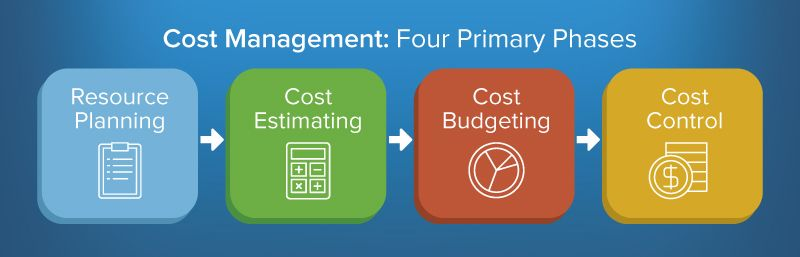
Effectively managing the cost of data storage with Oracle requires a nuanced approach that considers both the technical and financial aspects of storage solutions. By adopting data tiering, leveraging compression and deduplication, integrating cloud solutions for scalability, and making informed considerations, businesses can strike a balance that optimizes Oracle data storage costs without compromising performance.
Oracle Data Storage provides a comprehensive suite of storage solutions that cater to different business needs. These solutions range from high-performance flash storage for mission-critical applications, to cost-effective tape storage for long-term archiving. By understanding the different storage options available, businesses can make informed decisions about which solutions are most cost-effective for their specific needs.
Oracle Pricing Models
Oracle offers a variety of pricing models for its storage solutions. These include:
Capacity-Based Pricing
With capacity-based pricing, businesses pay based on the amount of storage they use. This model is straightforward and predictable, making it a good option for businesses with stable storage needs.
Performance-Based Pricing
With performance-based pricing, businesses pay based on the performance of their storage solution. This model can be more cost-effective for businesses with high-performance storage needs.
Managing the cost of data storage is a balancing act. Businesses need to find the right balance between performance, capacity, and cost. By understanding the different storage options available and employing effective strategies for managing storage costs, businesses can make the most of their Oracle Data Storage solutions. With careful planning and strategic decision-making, businesses can ensure that their data storage costs are well-managed and aligned with their business objectives.
Navigating the intricate landscape of Oracle data storage costs demands a holistic perspective, blending financial acumen with technical expertise. We encourage businesses to view data storage as a strategic investment, ensuring that every dollar spent aligns with organizational goals and maximizes the value derived from Oracle’s robust storage solutions.